

Pioneer 2025 brought top AI leaders together in New York for our summit on the future of the AI-powered customer experience. There, we launched Fin 3 and shared our vision for a single Customer Agent across the entire customer journey.
Last month our friends at Figma shared how Fin’s visual system brought Pioneer to life as an “Alien Superbloom” of surreal flowers and drifting pollen.
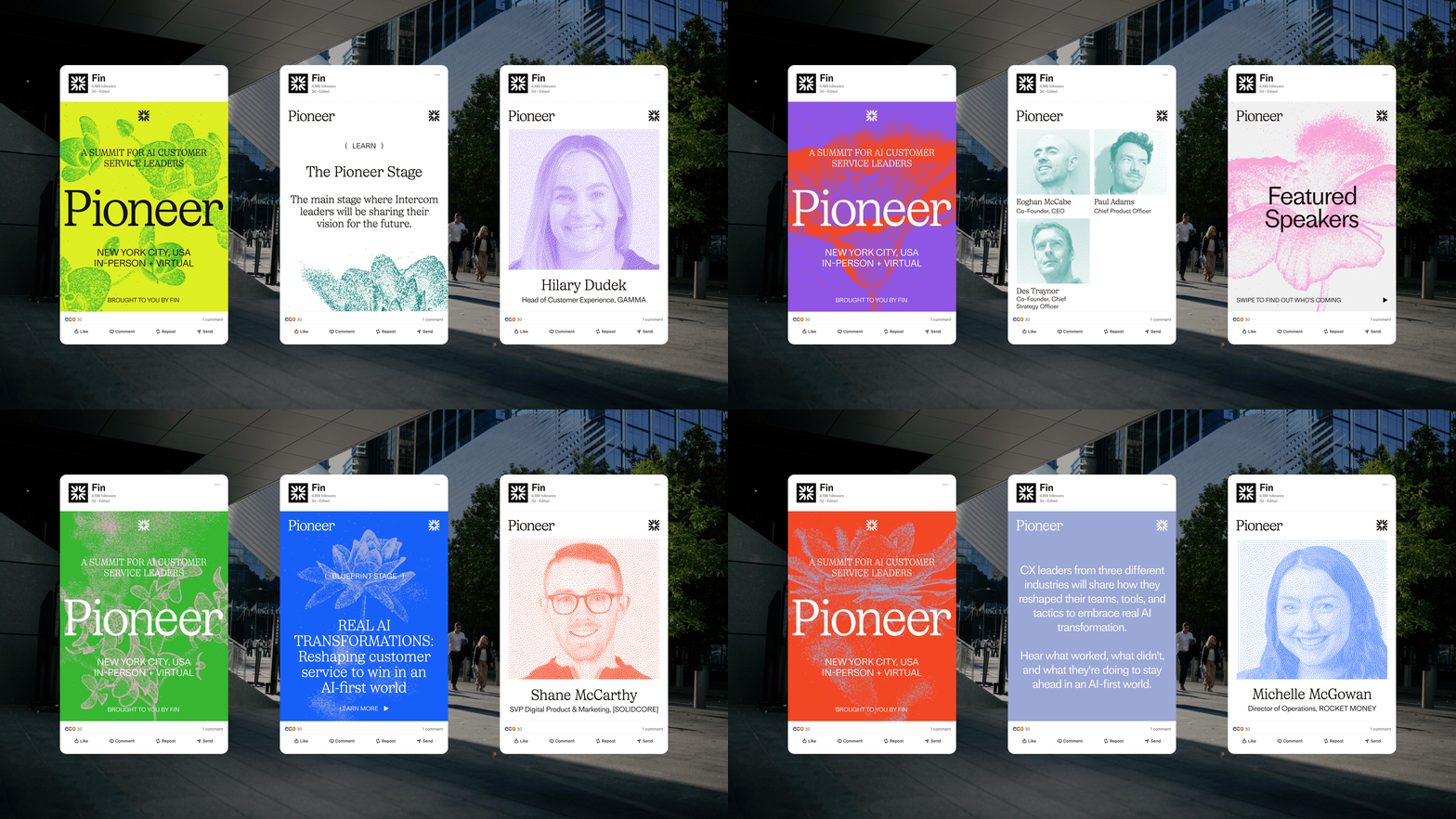
How we shaped the idea
Our design teams cast a wide net of concepts in shared Figma files; mixing motion, imagery, and type until the “Superbloom” direction clicked as the core visual language. Using long, scrollable artboards, the team turned early territories into living case studies that stakeholders could interact with and refine with us in real time.
When asked about executing this approach, Intercom Staff Designer Claire Whitman said,
“We were aligned on the core idea of Superbloom, but tested many expressions of it before landing on the final system. Pioneer 2024 was about planting an idea. Pioneer 2025 needed to reflect the momentum that had followed. The Superbloom became a way to visualize that progress; something expansive, confident, and hard to ignore. It allowed the identity to signal growth and ambition without needing to explain itself.”
Making pollen and petals move
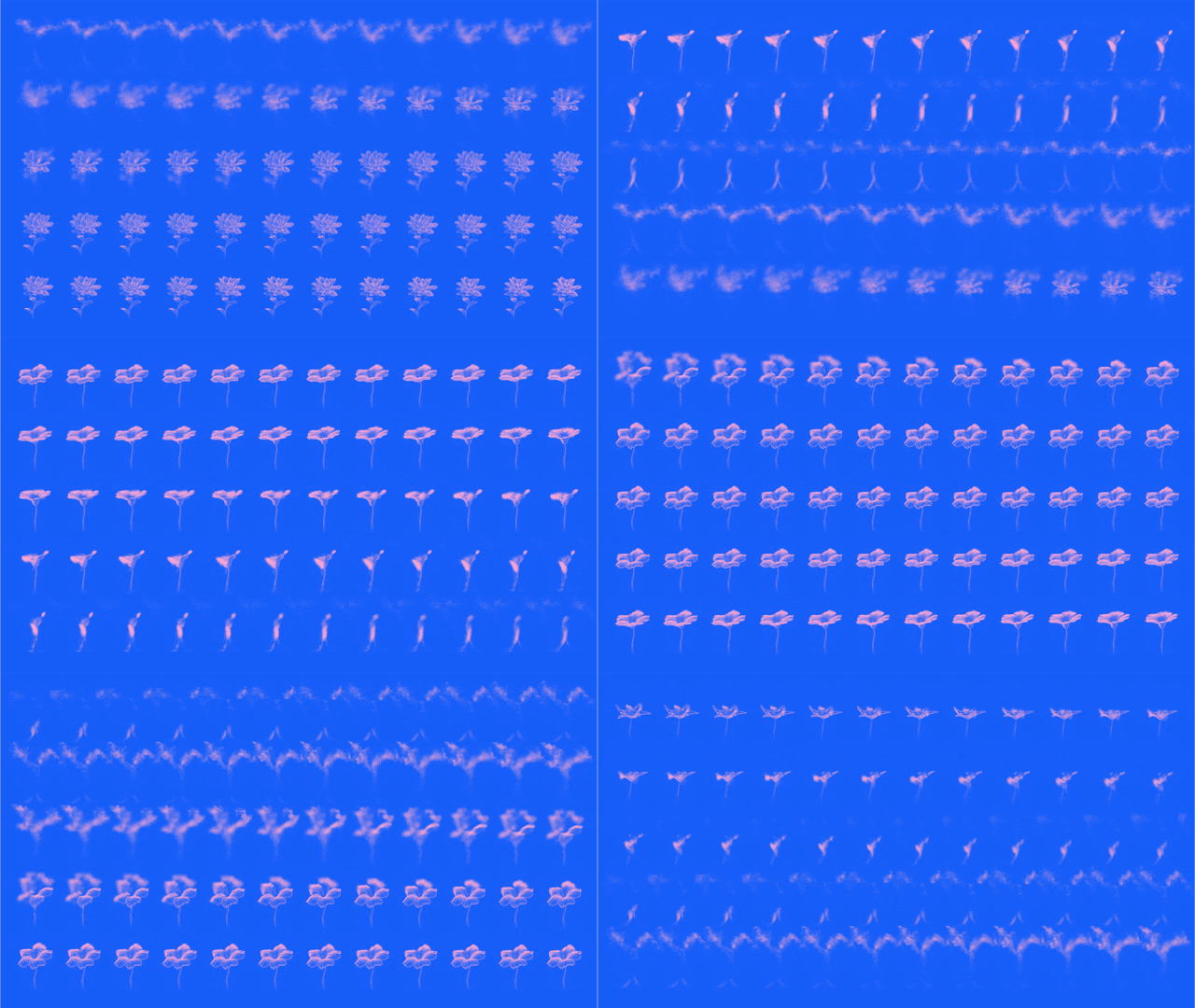
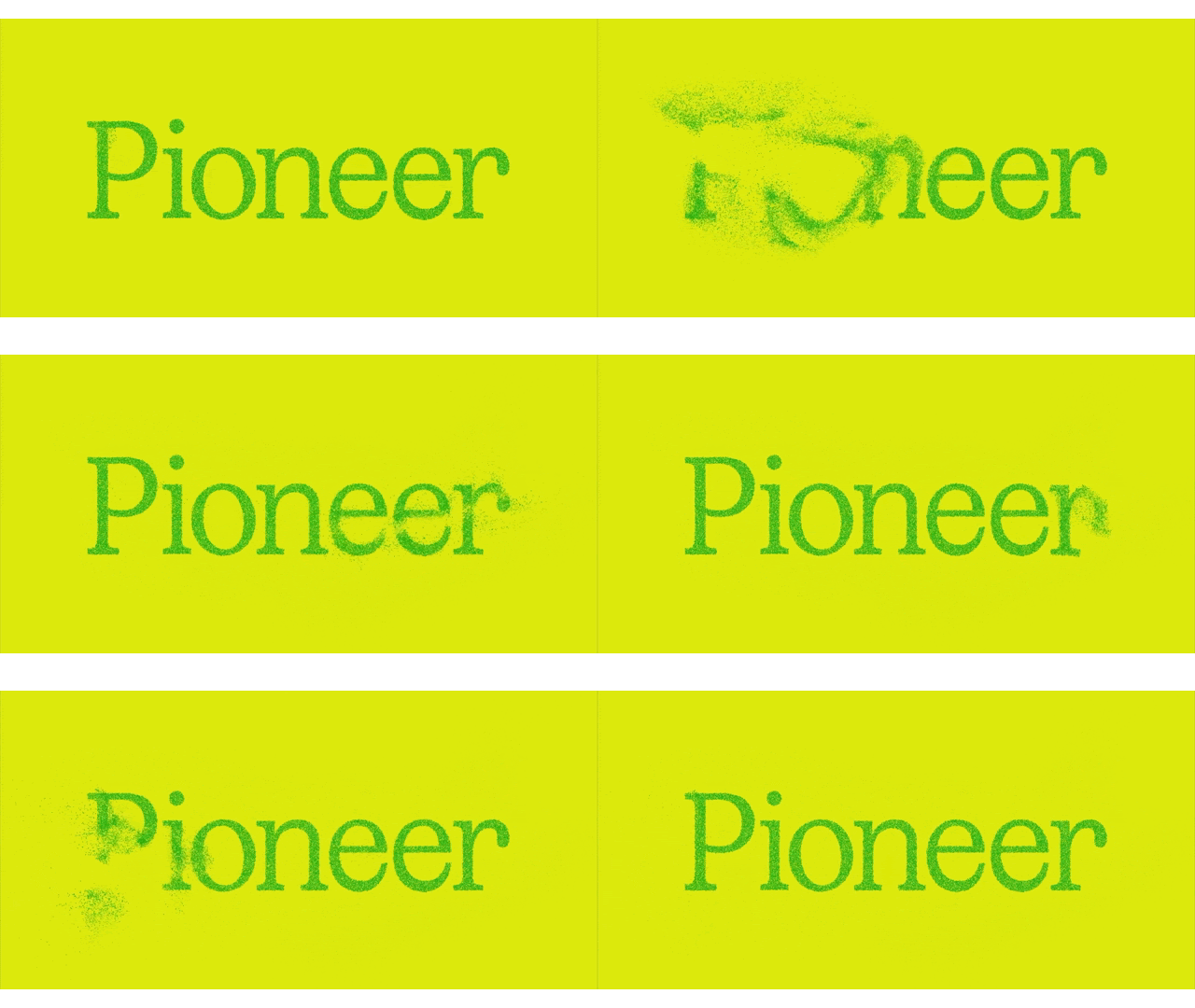
To pull the concept out of the abstract, we developed 3D flowers that bloom in strange, unexpected ways and pushed a particle-driven pollen aesthetic into key visuals. We partnered with the interdisciplinary studio COLORS AND THE KIDS to really dial in how petals flexed and pollen flowed so the system felt both otherworldly and production-ready.
Designing the Pioneer site
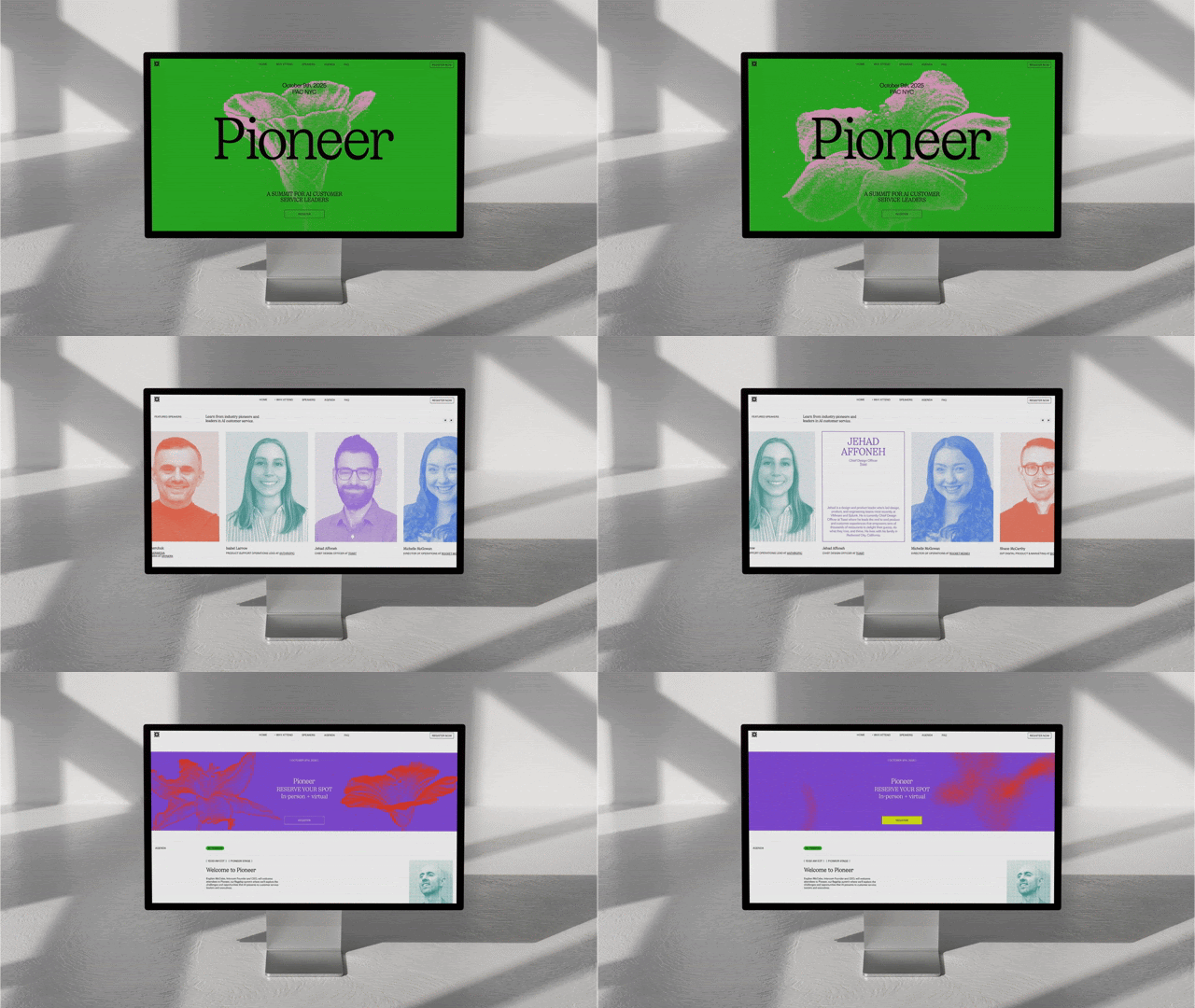
The Pioneer website had to convey that same dynamic motion throughout the site without feeling chaotic. The team designed, prototyped, and QA’d the Pioneer website entirely in Figma, testing everything from a poster-like scrolling layout to sticky navigation, hover behaviors, and timing of interactions.

Cycling backgrounds and an interactive pollen-based footer logo that scatters on hover were all proven in prototype before handoff to development. Scroll down to the bottom of our Pioneer site to enjoy the particle pollen effect 🌼.
Scaling systems for the events
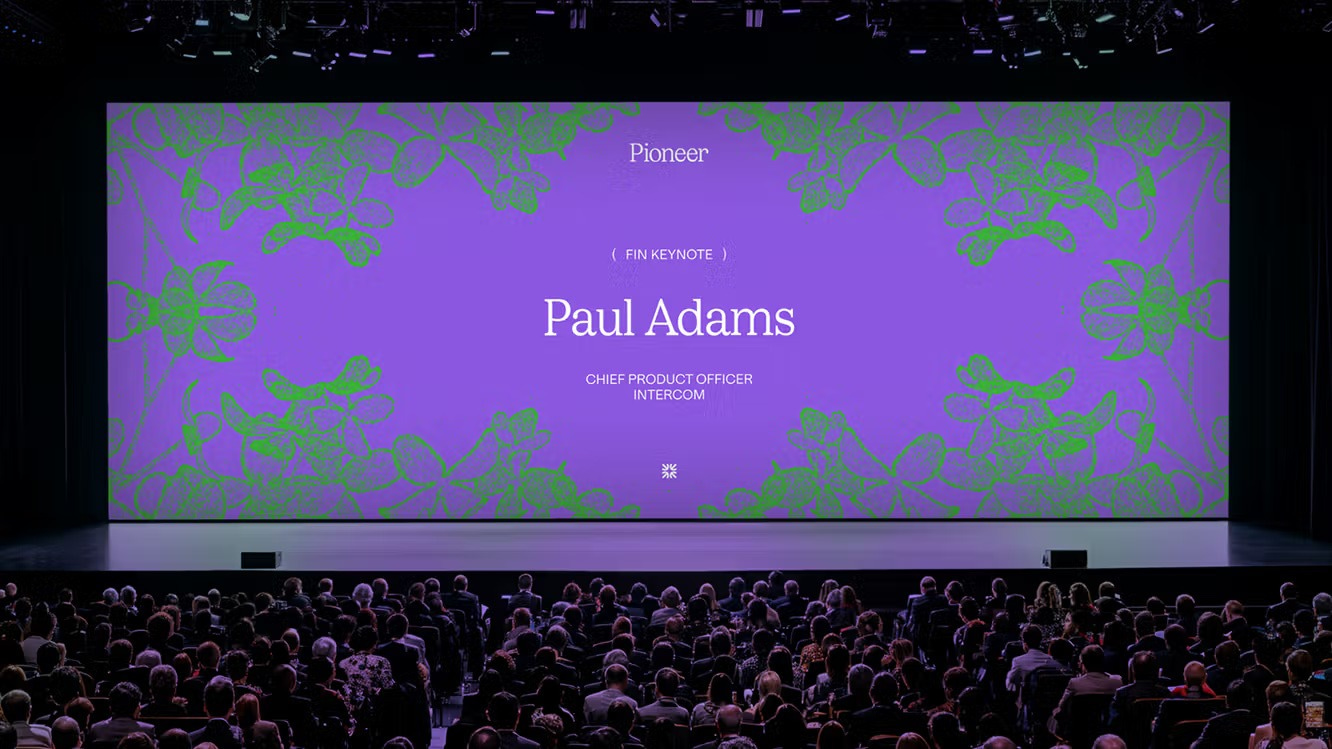
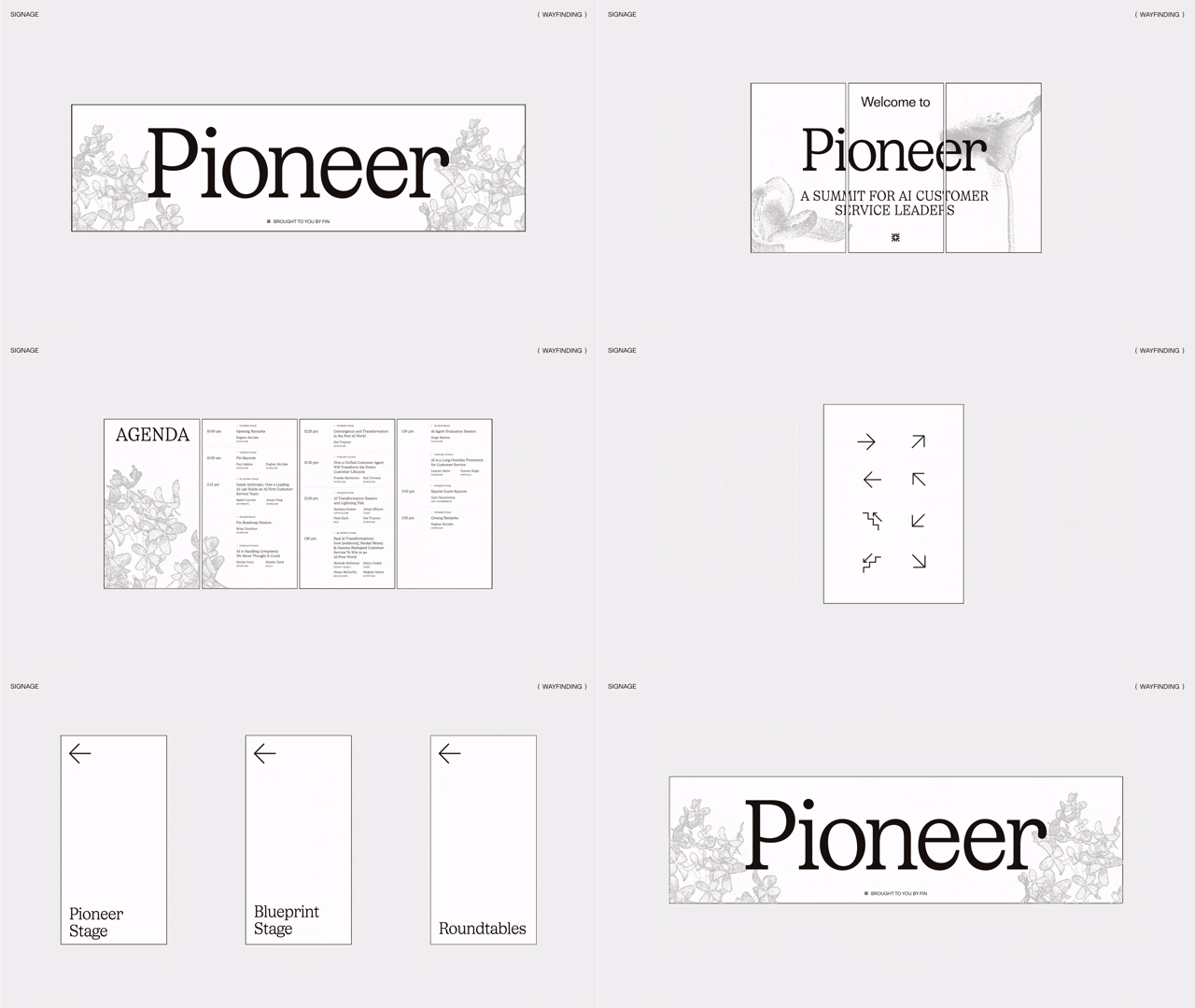
Leveraging features like auto layout, our design team could keep spacing, hierarchy, and components consistent as the brand stretched across ads, digital campaigns, on-site signage, merch, and stage graphics.

Claire Whitman went on to say,
“As the work moved from exploration into execution, seeing the identity at scale was incredibly satisfying—after so much time up close with the forms, watching the flowers bloom across large screens and physical spaces made the system feel truly alive. It reinforced how iteration and collaboration don’t just refine an idea, they allow it to fully take shape.”
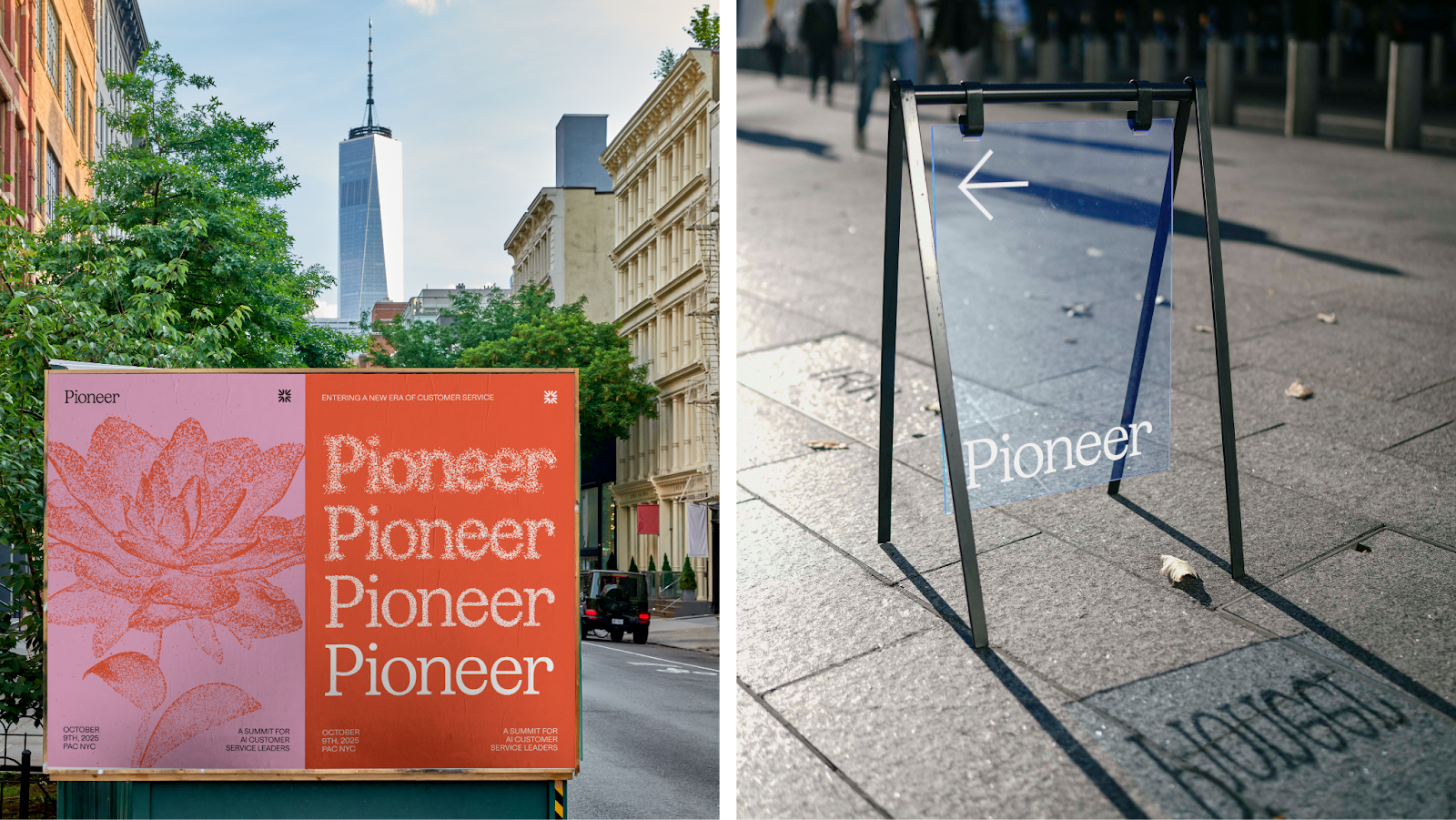
When asked about taking Pioneer ideas to execution, Intercom’s SVP of Design Emmet Connolly said,
“We always try to go the extra mile for our events, but we got an overwhelming reaction to the design of Pioneer this year. I’m proud of the team and the special identity we developed for this special event.”
Pioneer takes the stage
In the end, Pioneer 2025 felt like a clear statement of where things are headed: Fin 3 showed that an AI customer agent can handle real complexity, and the speaker series sparked curiosity.


Demos, debates, and glimpses of what comes next for Fin flowed around one powerful idea: a unified Customer Agent and a new era for adaptable generalists. The overall design made Pioneer feel less like a typical product launch and more like a confident, human-centered blueprint for the future of customer experience.
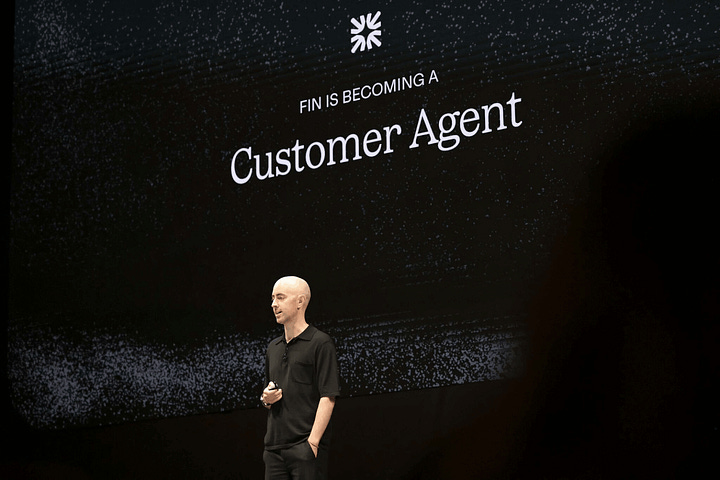
View full design breakdown here, and catch the Pioneer 2025 highlights below.
Thanks for reading.
Subscribe to stay in-the-know as Fin grows.